The U.S.
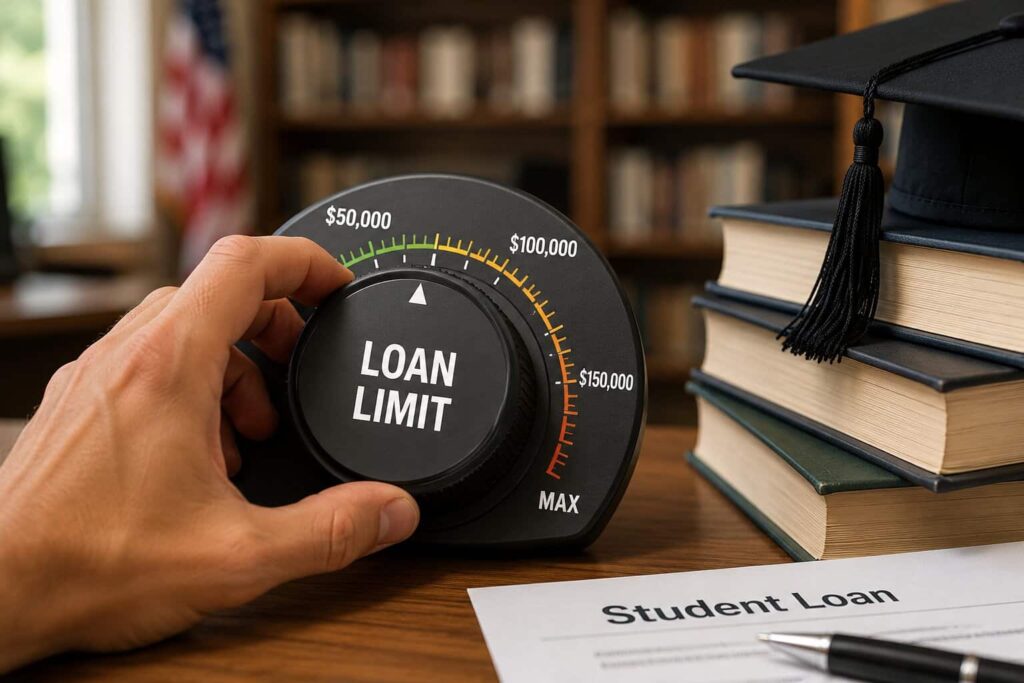
Department of Education has urged colleges to voluntarily limit graduate PLUS loans while a legal battle over a proposed cap continues.
But most institutions are pushing back, arguing that restricting access could harm graduate students and disrupt financial aid systems.
The graduate PLUS loan program allows graduate and professional students to borrow up to the full cost of attendance, with no annual or aggregate limit.
The Education Department proposed a cap in 2025, but litigation has delayed implementation.
In the meantime, officials asked colleges to voluntarily impose limits—a request that has met widespread resistance.
Quick takeaways
- The Education Department asked colleges to voluntarily cap graduate PLUS loans during ongoing litigation.
- Most colleges have declined, citing concerns about student access and financial aid disruption.
- Graduate PLUS loans currently have no annual or aggregate limit, allowing borrowing up to the full cost of attendance.
- A proposed cap would limit graduate PLUS loans to $20,500 per year, matching unsubsidized Stafford loan limits.
- Litigation over the proposed cap is ongoing, with no immediate resolution expected.
- Colleges argue that voluntary limits would create confusion and inequity among students.
The Education Department's request for voluntary graduate loan limits has been met with widespread resistance from colleges, who argue that restricting access could harm students and disrupt financial aid systems.
What Are Graduate PLUS Loans?
Graduate PLUS loans are federal loans available to graduate and professional students to help cover the cost of attendance beyond other financial aid.
Unlike subsidized or unsubsidized Stafford loans, PLUS loans have no annual or aggregate borrowing limit—students can borrow up to the full cost of attendance as determined by their school.
These loans carry a higher interest rate than Stafford loans and require a credit check.
They are a key funding source for many graduate students, especially those in expensive programs like law, medicine, and business.
The Proposed Cap and Litigation
In 2025, the Education Department proposed a rule that would cap graduate PLUS loans at $20,500 per year—the same limit as unsubsidized Stafford loans for graduate students.
The goal was to reduce federal lending and encourage schools to control costs.
However, several states and higher education groups sued to block the cap, arguing that the department overstepped its authority and that the cap would harm students.
The litigation is ongoing, and the cap has not been implemented.
Why Colleges Are Resisting Voluntary Limits
The Education Department asked colleges to voluntarily limit graduate PLUS loans while the litigation plays out.
But most institutions have declined, citing several concerns.
First, colleges worry that voluntary limits would create confusion and inequity.
Students at schools that impose limits would have less access to funding than those at schools that do not, potentially driving students to choose programs based on loan availability rather than academic fit.
Second, colleges argue that limiting loans could force students to take on more expensive private loans or drop out altogether.
Graduate PLUS loans often fill the gap between other aid and the full cost of attendance, and without them, many students would struggle to afford their programs.
- Voluntary limits could create inequity among students at different institutions.
- Students might turn to private loans with higher interest rates and fewer protections.
- Some students may be unable to continue their programs without full PLUS loan access.
- Colleges fear that limiting loans could reduce enrollment in graduate programs.
Impact on Graduate Students
Graduate students who rely on PLUS loans to cover tuition, fees, and living expenses could face significant challenges if voluntary limits are imposed.
Many students already carry substantial debt from undergraduate studies, and graduate PLUS loans provide a way to manage the high costs of advanced degrees.
Without access to full PLUS loan amounts, students may need to seek alternative funding sources, such as private loans, which often have variable interest rates and fewer repayment options.
Others may reduce their course load or take time off to work, potentially delaying graduation.
What the Education Department Says
The Education Department has stated that voluntary limits are a temporary measure to manage federal lending while the litigation is resolved.
Officials argue that the proposed cap is necessary to control rising student debt and encourage colleges to keep costs in check.
The department has also noted that graduate students can still borrow up to $20,500 per year in unsubsidized Stafford loans, which do not require a credit check.
However, for many students, this amount is far less than the total cost of attendance.
What Happens Next?
The litigation over the proposed cap is expected to continue for months or even years.
In the meantime, the Education Department may continue to encourage voluntary limits, but without widespread college support, the impact is likely to be minimal.
Some colleges are exploring alternative approaches, such as increasing institutional aid or encouraging students to borrow less.
However, most are waiting for the legal outcome before making any changes to their loan policies.
How Graduate Students Can Prepare
Graduate students should stay informed about the status of the graduate PLUS loan program and any changes at their institution.
If voluntary limits are imposed, students may need to adjust their financial plans.
Students can also explore other funding sources, such as scholarships, ships, and employer tuition assistance.
Working with a financial aid office to understand all available options is essential.
- Monitor updates from your school's financial aid office.
- Apply for scholarships and ships early.
- Consider federal work-study or part-time employment.
- Explore private loans as a last resort, comparing interest rates and terms.
Graduate PLUS Loan Key Facts
| Feature | Details |
|---|---|
| Loan Type | Federal Direct PLUS Loan for Graduate Students |
| Annual Limit | Up to the full cost of attendance (no fixed cap currently |
| Proposed Cap | $20,500 per year (litigation pending |
| Interest Rate (2025-26 | 8.05% (fixed |
| Origination Fee | 4.228% of the loan amount |
| Credit Check | Required |
| Repayment Options | Standard, graduated, extended, income-driven |
Frequently Asked Questions
What is the graduate PLUS loan cap litigation?
The litigation involves a lawsuit filed by several states and higher education groups challenging the Education Department's authority to cap graduate PLUS loans at $20,500 per year.
The plaintiffs argue that the cap would harm students and exceed the department's legal authority.
The case is ongoing in federal court.
Will my graduate PLUS loans be affected if my college voluntarily limits them?
If your college chooses to voluntarily limit graduate PLUS loans, you may not be able to borrow the full cost of attendance.
You would need to cover the gap with other funding, such as private loans, scholarships, or personal savings.
Check with your financial aid office to see if your school has implemented any voluntary limits.
Can I still get a graduate PLUS loan if the cap is implemented?
If the proposed cap of $20,500 per year is implemented, you would be limited to borrowing that amount through the graduate PLUS program.
You could still borrow up to $20,500 per year in unsubsidized Stafford loans, but any additional costs would need to be covered by other sources.
What are the alternatives to graduate PLUS loans?
Alternatives include federal unsubsidized Stafford loans (up to $20,500 per year), private student loans, scholarships, fellowships, ships, employer tuition assistance, and personal savings.
Some students also use income from part-time work or reduce their course load to manage costs.
How long will the litigation over the graduate PLUS loan cap take?
The timeline is uncertain, but similar lawsuits can take months to several years to resolve.
The case may go through district court, appeals, and potentially the Supreme Court.
In the meantime, the Education Department has asked colleges to voluntarily limit loans, but most have declined.
Should I take out a graduate PLUS loan now before any changes?
If you need the loan to cover your costs, it may be wise to borrow now while the program remains unchanged.
However, consider your overall debt burden and repayment ability.
Consult with your financial aid office to make an informed decision based on your specific situation.
Final Thoughts
The debate over graduate PLUS loan limits highlights the tension between federal efforts to control student debt and the need to ensure access to graduate education.
While the Education Department pushes for voluntary caps, most colleges are resisting, leaving students in a state of uncertainty.
Graduate students should stay informed, explore all funding options, and work closely with their financial aid offices.
The outcome of the litigation will ultimately determine the future of graduate PLUS loans, but for now, the program remains unchanged at most institutions.