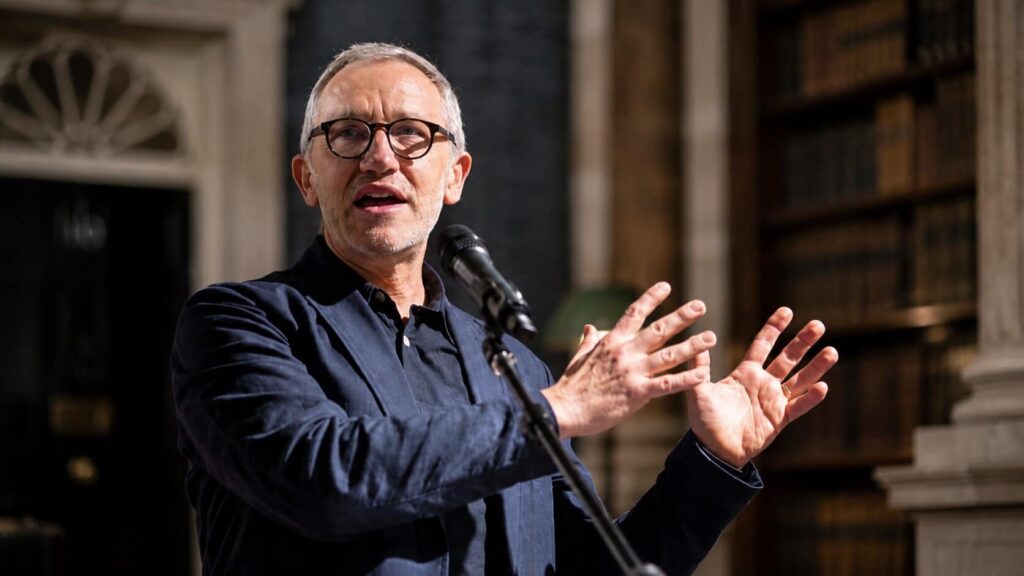
When a former university chief executive steps into Downing Street, the higher education sector watches carefully.
James Purnell, previously vice-chancellor of the University of the Arts London, has taken a experienced policy role inside No 10, sparking debate about what this means for universities.
Supporters argue his insider insight will support shape smarter policy; skeptics worry about political co-option.
The appointment comes as figures like Andy Burnham, Mayor of Greater Manchester and a prospective future prime minister, signal they’ll push universities to assist reshape the system.
How the relationship between government and academia evolves could define the next decade of UK higher education.
Quick takeaways
- James Purnell, former vice-chancellor of University of the Arts London, now operates as a No 10 policy chief.
- His appointment could give universities a stronger voice in state but also danger politicizing the sector.
- Andy Burnham, a potential upcoming prime minister, is described as 'very engaged' with university challenges and aims to push institutions to reshape the system.
- Manchester leaders who have worked with Burnham highlight his center on regional expertise and economic rise.
- The dual roles of former VCs in government produce both openings for collaboration and worries over conflicts of interest.
- Universities should engage proactively with policy shifts, using this insider perspective as safeguarding academic autonomy.
The former vice-chancellor’s No 10 role ‘could slice both means’ for universities — offering a straight line to power, yet raising fears of excessive political influence.
What Is James Purnell’s No 10 Role?
James Purnell, who served as vice-chancellor of the University of the Arts London, has joined Downing Street as a experienced policy adviser.
His brief covers domestic policy spheres that intersect strongly with higher education, covering abilities, innovation, and regional development.
The move signals that the present public sector values a leader who comprehends the inner workings of universities.
- Role: Experienced policy adviser in No 10, focusing on domestic policy.
- Background: Former vice-chancellor of University of the Arts London, former Labor MP and culture secretary.
- Relevance: Brings firsthand expertise of university leadership to government policy-making.
Why Does This Appointment Matter for Universities?
Having a former vice-chancellor inside the heart of state can be a double-edged sword.
On the positive side, universities acquire an advocate who grasps their financial pressures, research demands, and teaching challenges.
Policy decisions on tuition fees, research funding, and student assist could be better informed.
On the negative side, the sector dangers being drawn into partisan agendas, and other university leaders may struggle to criticize government policy without challenging a former colleague.
- Potential advantage: Boosted policy design that reflects genuine academic and operational constraints.
- Potential threat: Erosion of the sector’s independent voice if opposition is muted by personal ties.
- Historical precedent: Previous academics-turned-advisers have both helped and hindered university interests.
Andy Burnham and the Push to ‘Reshape the System’
Andy Burnham, Mayor of Greater Manchester and a extensively discussed prospective coming prime minister, has been described as ‘very engaged’ with higher education challenges.
According to Manchester leaders who have worked with him, Burnham intends to shove universities to help reshape the system — focusing on regional competencies gaps, lifelong learning, and social mobility.
His strategy recommends that any future public sector under his leadership would demand more frank accountability and effect from universities.
- Burnham’s stance: Universities should support regional economic and social aims.
- Engagement level: Described by associates as 'very engaged' with sector matters.
- Implication: Increased pressure on institutions to display tangible public importance.
How Could This ‘Cut Both Ways’ for the Sector?
The phrase ‘could trim both methods’ captures the uncertainty around Purnell’s appointment.
In one direction, universities gain a straight channel to Downing Street — someone who knows the pain points of managing a modern university.
In the other direction, the sector may spot itself more tightly tied to government priorities, with less room to advocate for its own interests independently.
The net influence will depend on how transparent and collaborative the relationship remains.
- Positive: Insider understanding could lead to more realistic policies on funding and regulation.
- Negative: Universities might self-censor to avoid upsetting a former peer now in power.
- Net result: Uncertain, but likely to shift the balance of influence between institutions and the state.
Lessons from Previous University Leaders in Government
This isn’t the first time a experienced academic figure has moved into a government policy role.
Past examples show that such appointments can boost communication but also blur lines of accountability.
When university chiefs turn into policy insiders, the sector gains a translator — but loses a entirely independent critic.
The pivotal is keeping up constructive tension while avoiding capture.
In the US context, alike movements occur when university presidents serve in federal advisory roles or when education secretaries show up from academic backgrounds.
The UK system, with its centralized funding and regulation, creates the impact potentially more frank.
- Historical UK cases: Several ex-VCs have served on state commissions and advisory boards.
- US parallel: Appointments like Margaret Spellings (former education secretary with university know-how) show both advantages and pitfalls.
- Crucial lesson: Relationships must be managed thoroughly to preserve institutional autonomy.
What Universities Should Do Now
University leaders shouldn’t hold on to observe how the relationship grows.
They can proactively engage with Purnell and his group on priority concerns — research funding, international student policy, and skills training.
Institutions should also strengthen their own public sector relations teams to make sure their voices are heard independently.
Building alliances with regional mayors like Burnham could further shield their interests in a shifting political landscape.
- Proactive engagement: Present expertise to Downing Street on sector challenges.
- Independent advocacy: Maintain sturdy communication with all parties, not just No 10.
- Regional partnerships: Operate with metro mayors to align university missions with area increase agendas.
The Bigger Picture: Higher Education and the Next Government
With the next general election looming, the higher education sector faces a period of intense political scrutiny.
Both chief parties are developing manifestos that touch on tuition fees, research funding, and post-18 education reform.
The presence of a former VC in No 10 gives universities prompt insight into state thinking — but also obliges them to navigate a more politicized environment.
Institutions that adapt fast will thrive; those that resist may find themselves marginalized.
- Election context: Higher education policies are most likely to be a battleground in the next UK election.
- Strategic demand: Universities must articulate their value clearly to both public sector and the public.
- Adaptation: Flexibility and proactive policy engagement are crucial for survival and expansion.
Key Players and Their Roles in University-Government Relations
| Person | Role | Relevance to Universities |
|---|---|---|
| James Purnell | Senior policy adviser, No 10 | Former VC brings insider perspective to policy-making |
| Andy Burnham | Mayor of Greater Manchester, prospective future PM | Pushing universities to reshape system for regional needs |
| Manchester leaders | University and civic figures who have worked with Burnham | Provide insight into Burnham’s engagement with the sector |
| UK university vice-chancellors | Heads of higher education institutions | Will navigate a changed landscape with a former peer in government |
Frequently Asked Questions
What precisely is James Purnell's job in No 10?
James Purnell serves as a experienced policy adviser in Downing Street, focusing on domestic issues such as competencies, innovation, and regional development.
His background as a former vice-chancellor gives him straight know-how with university operations, which he can register to policy-making.
How might Purnell's appointment assist universities?
Having an insider who comprehends the financial and operational pressures of universities could lead to more realistic policies on funding, regulation, and student assist.
It also gives the sector a frank line to influence public sector decisions before they’re finalized.
What are the dangers of a former vice-chancellor working in No 10?
The main hazard is that universities may forfeit their independent voice, as vice-chancellors might be reluctant to criticize a former colleague now in power.
This could lead to policies that favor the sector less, or to a perception of conflict of interest that erodes public trust.
Who is Andy Burnham and why is he applicable to this story?
Andy Burnham is the Mayor of Greater Manchester and a prominent Labor figure frequently mentioned as a upcoming prime minister.
He is described as 'very engaged' with university challenges and intends to shove institutions to support reshape the higher education system, particularly to meet regional economic and social wants.
What should universities do to get ready for a potential Burnham state?
Universities should strengthen their relationships with metro mayors and regional bodies, align their missions with area competencies and innovation priorities, and proactively engage with Downing Street policy advisers.
Building sturdy data and storytelling around their regional effect will be vital.
Does this appointment signal a shift in UK higher education policy?
Whereas one appointment doesn’t guarantee a policy shift, it reflects a growing pattern of government seeking closer ties with university leaders.
Combined with Burnham's shove to 'reshape the system', it proposes that upcoming policies may demand greater accountability, regional concentrate, and measurable outcomes from higher education institutions.
Final Thoughts
The arrival of a former vice-chancellor inside No 10 is a considerable development for UK universities.
It holds the promise of more informed policy-making but also carries the risk of politicizing the sector.
Simultaneously, figures like Andy Burnham are signaling that the next government will expect universities to play a central role in reshaping the skills and innovation landscape.
University leaders must now navigate this intricate terrain with both caution and initiative.
The best strategy is proactive engagement: develop robust state relations, forge regional partnerships, and hold the public conversation focused on the value of higher education.
Remain informed, stick around involved, and aid shape the policies that will define the upcoming of your institution.